
Why Carpet Stains Are More Complicated Than They Look
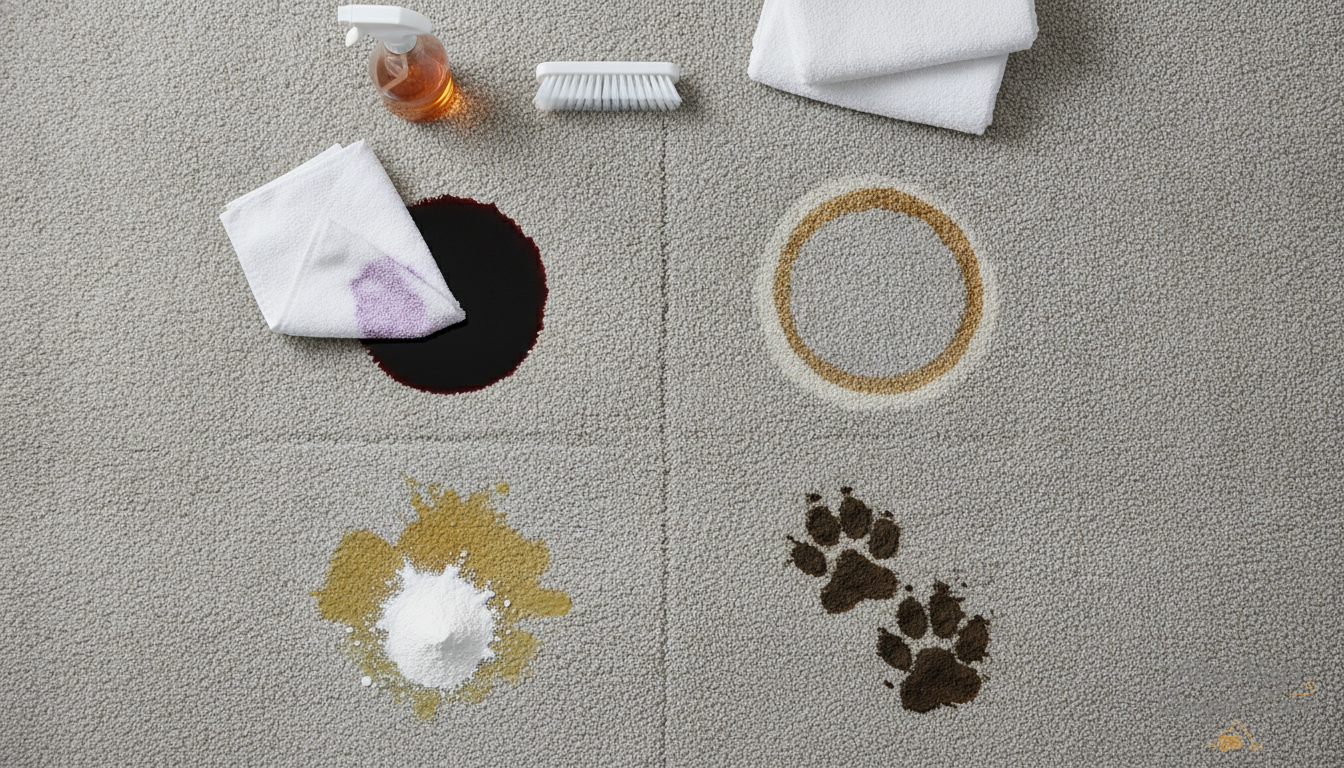
A spilled glass of red wine. A coffee mug tipped over during the morning rush. A muddy paw print tracked across the living room after a rain. Most Aliso Viejo homeowners have dealt with at least one of these — and most have reached for the nearest household cleaner and scrubbed vigorously, only to end up with a larger, lighter, or permanently set stain.
The truth is that carpet stain removal is a chemistry problem as much as a cleaning problem. Different stains require different chemical approaches, and the wrong treatment — even a well-intentioned one — can bind a stain to the fiber permanently, bleach the carpet's dye, or spread the stain deeper into the backing. Understanding the basics can save your carpet and save you money.
The Golden Rules of Immediate Stain Response
Before we get into specific stain types, there are a few universal rules that apply to every fresh spill:
- Blot, never scrub. Scrubbing spreads the stain outward and drives it deeper into the fiber. Use a clean white cloth or paper towel and press firmly, lifting straight up to absorb the liquid.
- Work from the outside in. Always blot from the edges of the stain toward the center to prevent spreading.
- Act fast. The longer a stain sits, the deeper it penetrates and the more the chemistry changes. A fresh stain is always easier to remove than a set one.
- Avoid heat. Hot water and steam can permanently set protein-based stains like blood, dairy, and egg. Use cool or lukewarm water for these.
- Test in a hidden area first. Before applying any cleaning solution, test it on an inconspicuous section of carpet to check for dye instability or fiber damage.
Common Stain Types and How to Approach Them
Red Wine and Juice
Red wine is a tannin-based stain and responds well to club soda or a mixture of dish soap and cold water — applied gently and blotted repeatedly. Avoid letting any liquid sit too long, as over-wetting can push the stain into the backing. Commercial oxidizing spotting agents work well on wine, but use them carefully and follow the directions. Old, dried red wine stains are significantly harder to remove and often require professional-grade oxidizing chemistry. Our carpet stain removal service handles wine stains with professional oxidizing agents that aren't available in consumer formulas.
Coffee and Tea
Coffee is a tannin stain like wine, but it also contains oils that can make full removal trickier. Blot up as much liquid as possible immediately, then apply a small amount of dish soap solution and blot again. Rinse with cold water and blot dry. Avoid rubbing — coffee stains are notoriously prone to spreading. Set coffee stains that have dried and yellowed may have oxidized into the fiber, requiring professional enzyme or oxidizing treatment to lift effectively.
Grease and Oil
Grease stains require a different approach than water-based stains. Dry absorbents like baking soda or cornstarch can be applied first to pull oil from the fiber before any liquid treatment. After absorbing for several minutes, vacuum the powder up and apply a small amount of dish soap (a surfactant designed to cut grease) with cold water, blotting carefully. Avoid over-wetting. For large grease stains or grease near high-traffic areas, solvent-based professional spotters work more effectively than anything available at the grocery store.
Mud and Dirt
One of the most common mistakes with mud is treating it while it's wet. Wet mud spreads. Let mud dry completely, then vacuum up as much dry material as possible before applying any cleaning solution. A dish soap and water solution applied gently and blotted repeatedly is usually effective on fresh mud stains. Deep mud stains with organic material that has bonded to the fiber may require enzyme treatment similar to what we use in our pet odor and stain removal process.
Blood
Always use cold water on blood — never warm or hot. Heat permanently denatures blood proteins into the carpet fiber. Hydrogen peroxide (3%) can be effective on fresh blood stains on light-colored carpets, but test first — it can bleach some carpet dyes. Blot carefully and rinse thoroughly. Old, dried blood stains are among the most difficult to remove and typically require professional enzyme treatment.
Ink and Dye Stains
Ink stains are notoriously difficult. Rubbing alcohol applied sparingly and blotted (not scrubbed) can break down ballpoint ink. Permanent marker and dye-based inks are significantly harder and may require professional solvent spotting agents. Be extremely careful — some DIY ink removal methods, including hairspray, can leave sticky residue that attracts more soil over time.
What DIY Methods Can Make Worse
It's worth calling out a few popular home remedies that frequently backfire:
- White vinegar on all stains: Vinegar is acidic and works on some stains, but it can strip protective coatings from carpet fibers and may set certain stains rather than lift them.
- Scrubbing with a brush: Aggressive scrubbing untwists and damages carpet pile, leaving a fuzzy, matted appearance even after the stain is gone.
- Over-wetting the carpet: Soaking the carpet pushes the stain deeper into the backing and pad, where it can re-wick to the surface days later — often appearing as a larger spot than the original stain.
- Bleach on carpet: Bleach permanently removes carpet dye and creates irreversible discoloration. There is almost no situation where bleach belongs on residential carpet.
When to Call a Professional
Some stains simply need professional chemistry and equipment. Old, set-in stains — particularly wine, coffee, pet urine, and ink — that have had days or weeks to bond with the fiber respond far better to professional-grade enzyme, oxidizing, and solvent spotting agents than to anything available at the grocery store. Our technicians identify each stain type before selecting the right chemistry, using a multi-step process that includes pre-conditioning, gentle agitation, hot-water extraction, and a pH-balancing rinse.
If you're dealing with a stain that home treatment hasn't resolved — or one you're nervous about making worse — our standalone carpet stain removal service is available any day of the week. It can also be combined with a full residential carpet cleaning for carpets that need comprehensive attention. After cleaning, consider adding a carpet protector application to give yourself a larger window to respond to future spills before they penetrate the fiber.
Professional Carpet Stain Removal in Aliso Viejo and Beyond
Aliso Viejo Carpet Care serves homeowners throughout Aliso Viejo, Mission Viejo, Laguna Hills, Laguna Niguel, and Laguna Beach with professional stain removal services seven days a week, 8 AM to 6 PM. Our technicians will always give you an honest assessment of what's achievable before beginning any treatment.
Dealing with a stubborn stain? Visit our Aliso Viejo carpet stain removal page, call us at (949) 997-0199, or email [email protected] to schedule a visit.
Questions about carpet cleaning in Aliso Viejo, CA? We're happy to help — no sales pressure.
Talk to a Local Pro
Call +19499970199 or fill out our online form for a free, no-obligation quote.
Request Free Quote